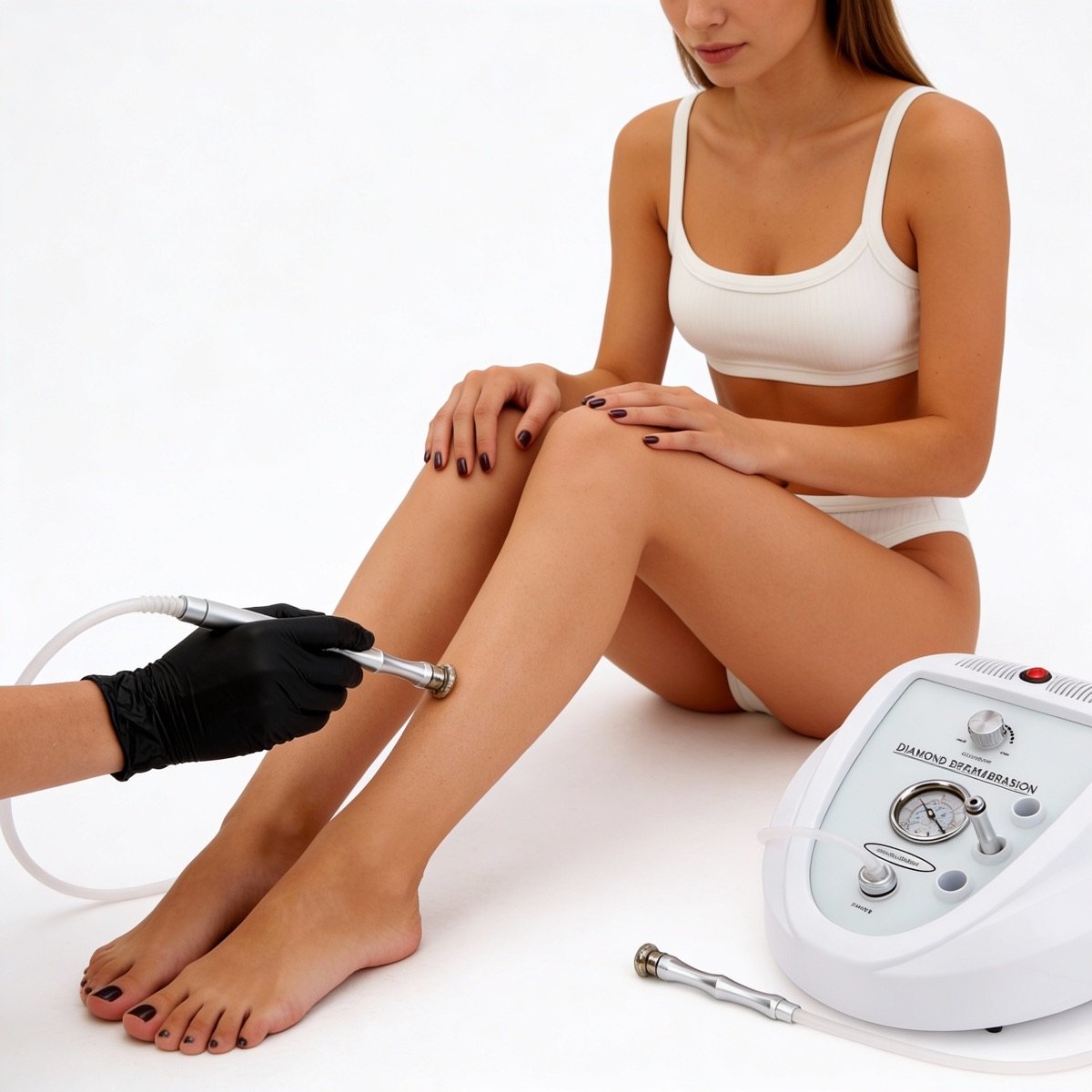
Diamond Abrasion Body Polish
Overview
How your skin reacts afterwards
These are normal and settle on their own. Anything severe or long-lasting — call us.
Mild redness or a flushed appearance is common immediately after the treatment, especially for sensitive skin types, and usually subsides within a few hours up to 48 hours.
Tingling or tightness may be felt due to the action of the oxygen brightening step, which indicates active skin renewal.
Slight sensitivity and tenderness can occur after exfoliation and vacuum suction, particularly if skin is thin or reactive.
Mild flaking or dryness may be experienced as the skin exfoliates, but this usually improves within two to three days, unveiling a more radiant surface.
Minor breakouts can sometimes happen if congested pores are purged, though this is usually transient and part of the skin’s renewal process
How Diamond Abrasion Body Polish Works
STEP 1: DEEP PURIFICATION
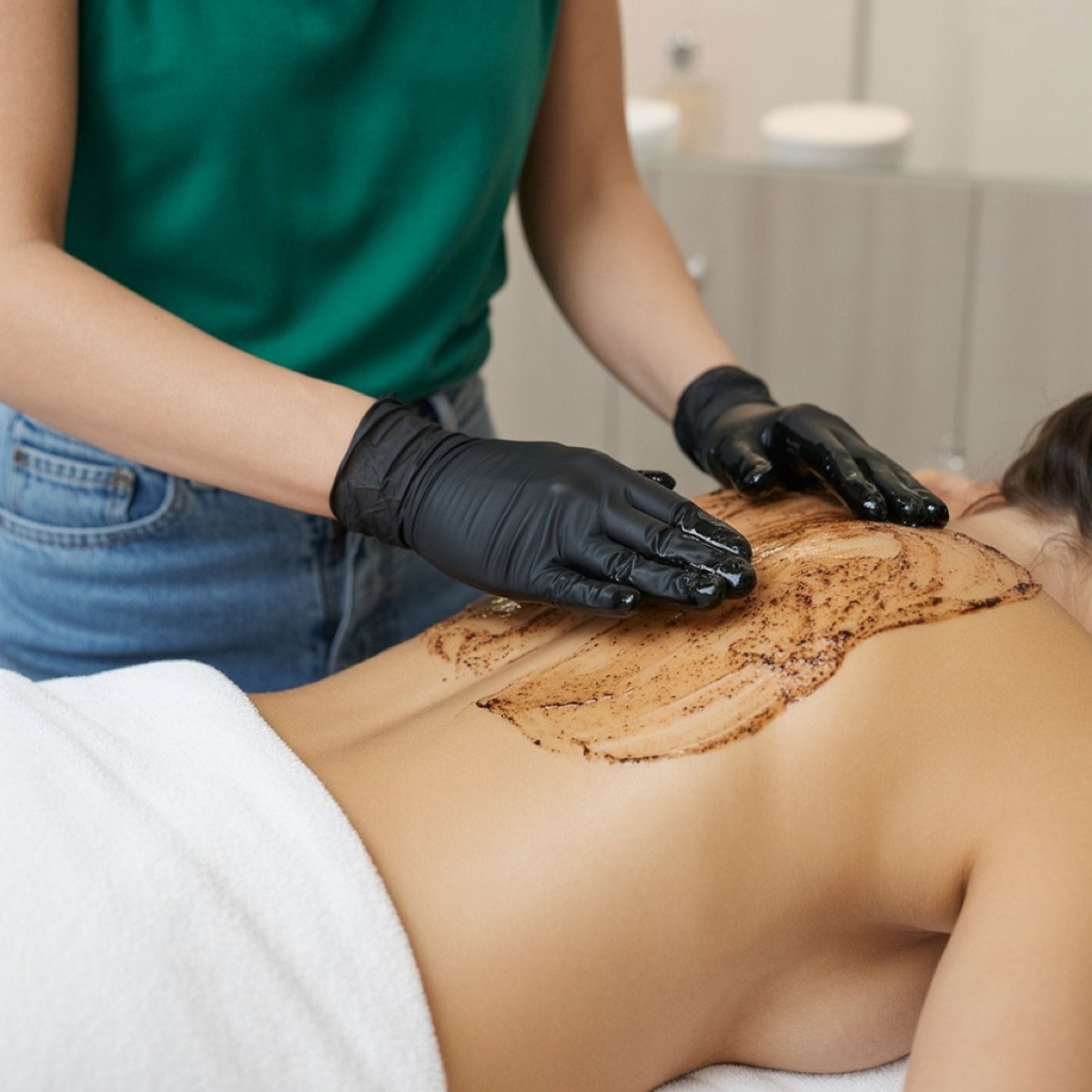
The treatment area is gently yet thoroughly cleansed using a specialized professional cleanser to remove impurities, excess oil, and surface buildup. This step optimizes skin receptivity and prepares it for effective resurfacing and renewal.
STEP 2: PRECISION RESURFACING
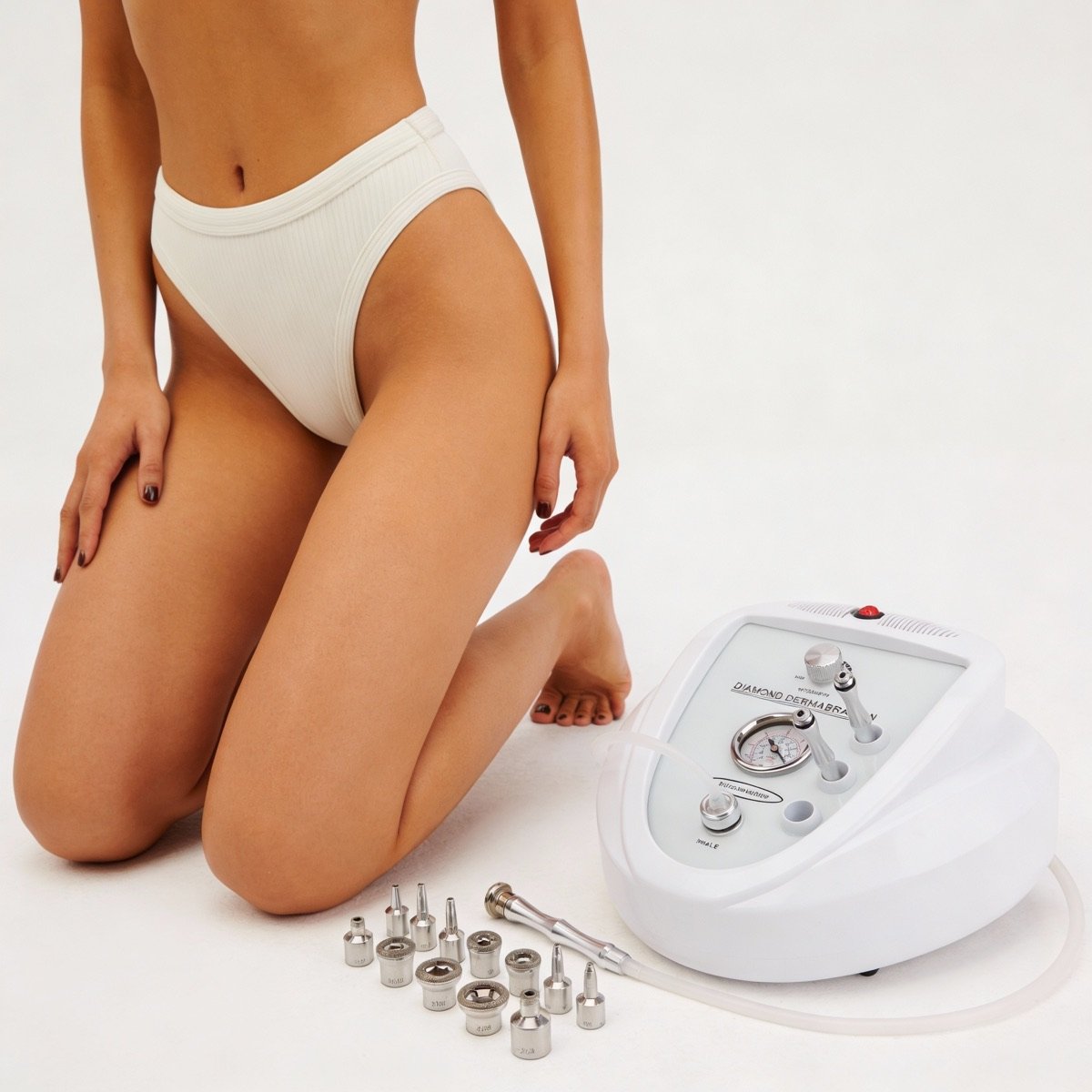
Advanced diamond abrasion technology is used to delicately exfoliate the skin, smoothing surface irregularities and removing dead cells. This controlled resurfacing stimulates natural collagen activity, enhancing skin clarity and refining texture.
STEP 3: ACTIVE INFUSION THERAPY
A professional-grade bio-active resurfacing solution is applied to dissolve residual cellular buildup and accelerate skin renewal. This step helps brighten the skin while improving overall tone and radiance.
STEP 4: COOLING & HYDRATION RENEWAL
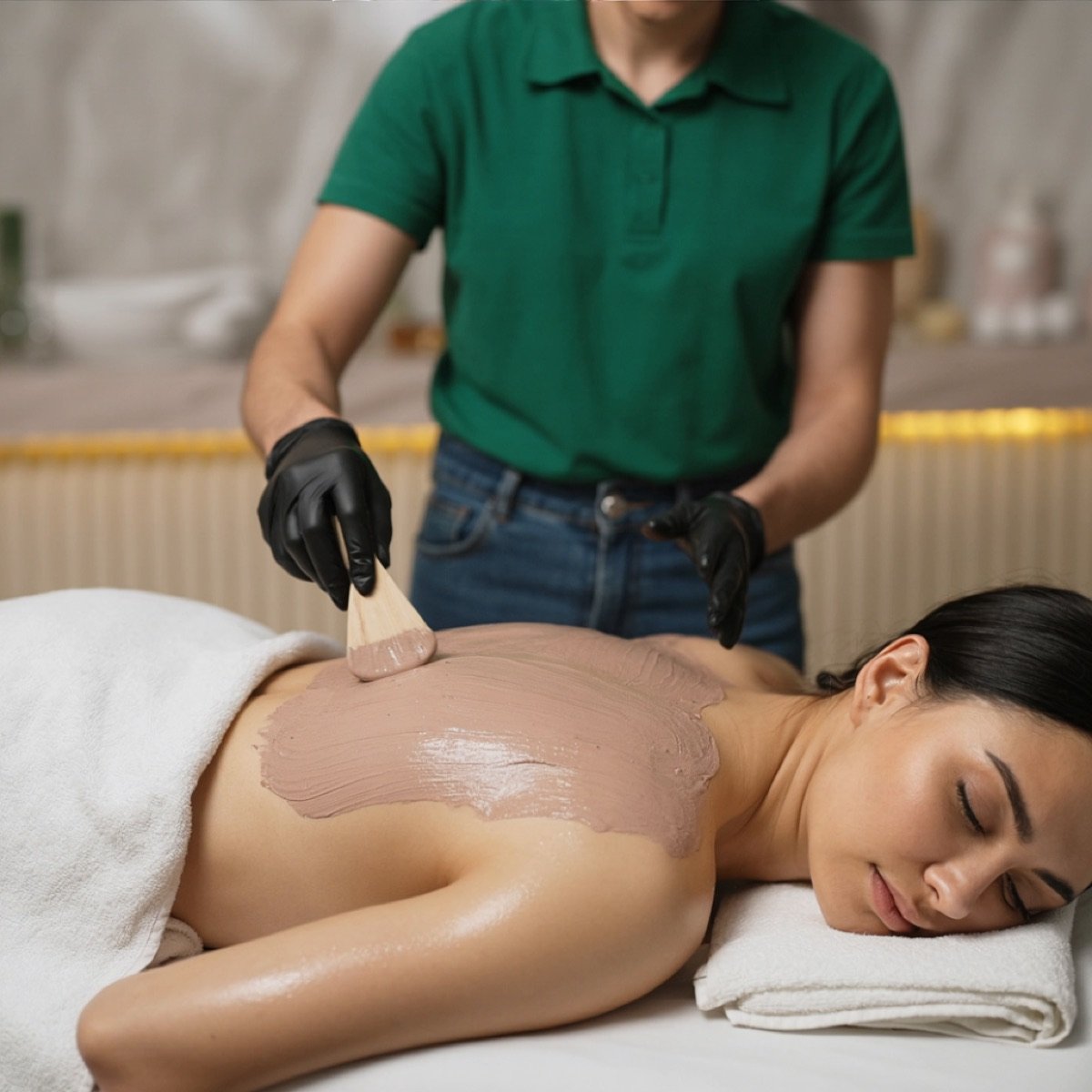
A soothing papaya-based hydration gel is gently massaged into the skin to calm sensitivity, restore the moisture barrier, and infuse essential nutrients—revealing refreshed, soft, and naturally luminous skin.
STEP 5: PROTECTIVE SEAL
The treatment concludes with the application of a broad-spectrum protective formula to defend the skin against environmental stressors and lock in results, ensuring long-lasting brightness and comfort.
Pre Care
- Stop: Stop using retinoids, AHAs, BHAs, or any exfoliating agents 3–5 days before treatment to reduce risk of irritation.
- Avoid: Avoid waxing, laser hair removal, or other skin resurfacing procedures at least 48 hours prior to your session.
- Refrain: Refrain from excessive sun exposure, tanning beds, and self-tanning lotions for at least one week before your scheduled appointment.
- Arrive: Arrive with clean, product-free skin on the treatment area to ensure maximum effectiveness and safety.
- If: If you take any medication for cardiovascular disorders, have had recent illness, or have open wounds/sunburn, inform your therapist and reconsider treatment until fully recovered
After Care
- Moisturize: Moisturize regularly with a soothing formula containing hyaluronic acid, ceramides, or panthenol to lock in hydration and support skin repair.
- Apply: Apply broad-spectrum SPF 30 or higher daily, even if indoors, to prevent UV-induced pigmentation and ensure the results last.
- Keep: Keep skin dry for at least 6 hours after treatment; avoid sweating and intense workouts for 24 hours as heat or friction may cause irritation.
- Do: Do not use any chemical exfoliants (AHAs/BHAs), retinol, or bleaching products for at least one week.
- Avoid: Avoid hot baths, steamy showers, saunas, and swimming for 24–48 hours to minimize inflammation and support the skin’s healing process.
- Refrain: Refrain from wearing makeup for 24 hours after treatment; if necessary, stick to light, mineral-based formulas.
- Avoid: Avoid excessive touching, scratching, or picking at the treated area to prevent irritation and infection
Results, who it suits, and who it is not for
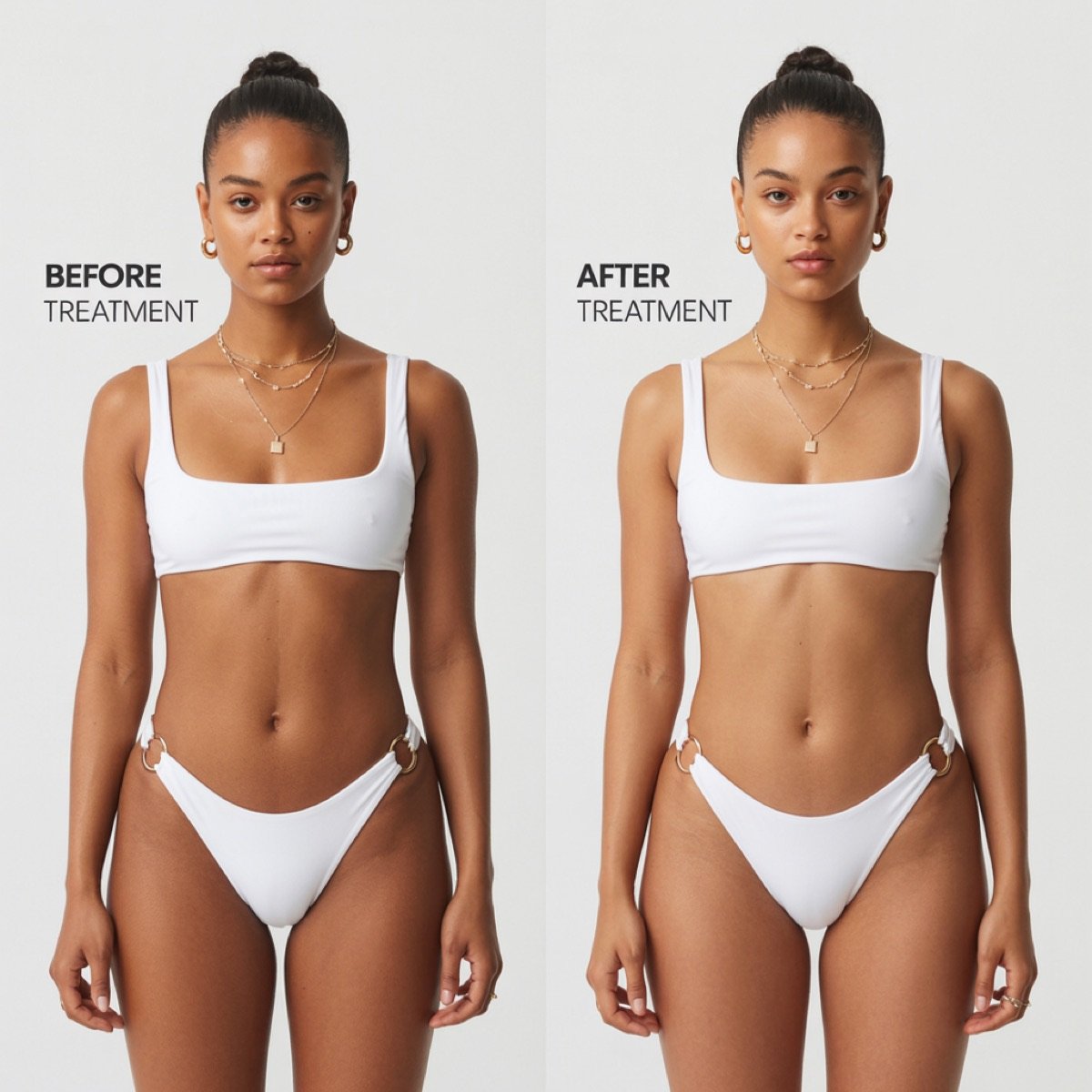
- Average DurationPost-treatment, skin appears visibly smoother, brighter, and more even-toned. Results typically last 2–4 weeks, depending on skin type, tan depth, and aftercare
- Session IntervalFor optimal results, Diamond Abrasion Body Polish sessions are recommended every 3–4 weeks. In cases of heavy tanning, rough texture, or stubborn pigmentation, an initial series at 2–3 week intervals may be advised
- Skin Type ImpactThicker, sun-exposed, or rough body skin may require more frequent sessions initially, while normal to dry skin can maintain results with monthly treatments. Skin sensitivity and recovery response should guide scheduling
- Longevity FactorsSun exposure, lack of SPF, friction from clothing, dehydration, and aggressive at-home exfoliation can reduce result longevity. Consistent moisturization, sun protection, and gentle skincare help preserve smoothness and brightness